

Quick answer: A CRM earns its keep with eight features: a clear lead pipeline, complete contact records, activity tracking, reminders and follow-ups, dashboards, role-based access, search, and automation. If a tool — custom or SaaS — covers these well, the extras are decoration. The point isn't the feature list; it's whether the tool prevents leads from slipping through the cracks.
Start With the Pipeline, Not the Features
Every useful CRM feature exists to serve one idea: every lead has a stage, an owner, and a next action. Before choosing software, define your stages — for most small businesses that's something like New → Contacted → Qualified → Proposal → Won (plus Lost). Then evaluate features against whether they keep that pipeline honest.
The Eight Features That Matter
1. Lead and deal pipeline
Drag-and-drop stage movement with a clear view of what's in each stage. If you can't see your whole pipeline on one screen, it's a list, not a pipeline.
2. Complete contact records
Every interaction attached to a contact: messages, calls, emails, notes. History that lives in one place is the difference between 'I think we spoke in March' and certainty.
3. Activity tracking and reminders
Tasks with owners and due dates, so follow-ups stop living in people's heads. The simplest automation — a reminder that a lead went quiet — prevents more lost sales than any dashboard.
4. Role-based access
Salespeople see their leads; managers see the pipeline; finance sees invoices. Access you can control protects data and keeps reporting honest.
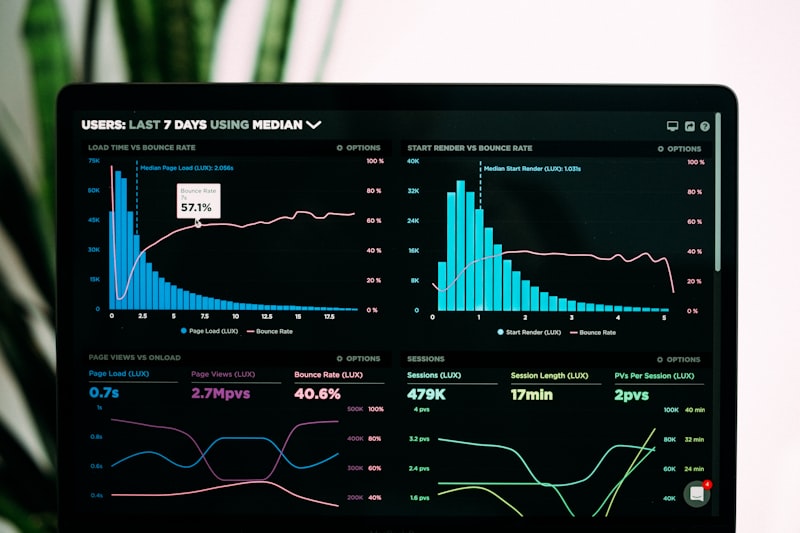
5. Dashboards and reports
Conversion rate by stage, time spent in each stage, win rate by source. If you can't answer those three questions, your CRM is underfeeding you.
6. Fast, reliable search
Your team must find a contact in seconds. Search quality is quietly the most-used feature in any CRM.
7. Automation
Stage-based triggers — a WhatsApp or email follow-up when a lead enters a stage, a notification when a deal sits untouched. This is where the leverage is; see how CRM automation improves lead follow-up.
8. Integrations
Your CRM should talk to the channels your customers actually use — in India, that usually means WhatsApp and email. Leads captured in a chat should land in the CRM automatically.
Features You Can Skip
- Gamification leaderboards (motivation ≠value).
- Marketing email blasters (unless you actually run email campaigns).
- Add-ons you'll configure once and forget.
Feature Checklist for Your Vendor
Whether you buy SaaS or build custom, ask the vendor: 'Show me a lead moving from stage one to won, with notes, tasks, and a follow-up reminder.' If the demo can't do that smoothly, nothing else in the deck matters.
Frequently Asked Questions
Do I need all these features from day one?
No. Start with pipeline, contacts, activity, and search. Add dashboards, roles, and automation as the team grows. This is exactly why custom CRM builds are often phased.
Is WhatsApp integration important in a CRM?
For an Indian business, yes — it's often the primary inbound channel. A CRM that can't log WhatsApp conversations will leave gaps in exactly the place your leads live.
Can we build a CRM with just these features without overpaying?
Yes — a focused build with these eight features is precisely the scope we quote at the accessible end of our CRM pricing. Feature bloat is what inflates budgets.
Ready to build a CRM around what your pipeline actually needs? Book a free scoping session and we'll start from your stages, not a template.